
Providing Piping Solutions Since 1971
 Emergency Services
One of the easiest ways to reduce the spread of germs and disease is by upgrading your company’s kitchens and
bathrooms to touchless plumbing fixtures.
PSI offers installation, repair and replacement of your existing fixtures while being the least impactful on your work
environment–even if that means installing evenings or weekends.
Besides reducing the transmission of illness at work, keeping your staff on the job, upgrading to touchless plumbing
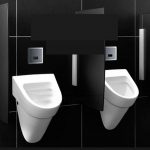
fixtures lower energy costs. A waterless urinal, for example, saves 10,000-40,000 gallons of water annually!
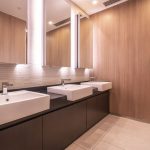
If you’re searching for safe alternatives in your business, here are a few of the touchless fixtures we can exchange
for your manual fixtures.
Ready to learn more? Complete this form to request a Touchless Plumbing Fixtures Data Sheet with Pricing.
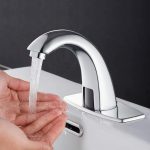
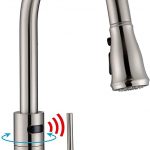


Choosing between battery-powered and hardwired touchless fixtures depends on your building’s layout, traffic level, and maintenance preferences. Battery-powered fixtures are easier to install and ideal for retrofits or older buildings without accessible electrical lines. They minimize disruption but require periodic battery changes. Hardwired fixtures connect directly to your electrical system, making them more reliable for high-traffic areas such as schools, hospitals, factories, and multi-tenant buildings. They cost more upfront but reduce long-term maintenance. Piping Systems can evaluate your facility and recommend the best option to ensure reliable, efficient, and hygienic performance.
Yes—touchless bathrooms can be successfully installed in older buildings, mills, and facilities with outdated plumbing. Most modern fixtures are designed to retrofit onto existing systems with minimal disruption. Battery-powered options make upgrades easier where electrical access is limited. Minor modifications may be needed for pressure or compatibility, but full reconstruction is rarely required.
High-quality touchless fixtures use infrared sensors with adjustable sensitivity. This allows proper calibration to avoid false triggers from sunlight or reflective surfaces. During installation, placement and lighting conditions are evaluated to ensure consistent and accurate operation.
Routine maintenance includes cleaning sensor lenses, checking batteries or electrical connections, verifying calibration, and inspecting internal components such as valves and aerators. Regular service ensures reliable and long-lasting performance.
Touchless faucets can reduce water usage by up to 60% by running only when needed. Touchless flushometers also prevent overuse and ensure consistent flush volumes, making them ideal for high-traffic commercial environments.
Yes—many municipalities offer rebates for water-efficient fixtures. Touchless systems that meet low-flow or WaterSense standards may qualify, helping reduce upfront costs.
Yes. Reduced water usage and decreased hot water demand lead to lower utility costs over time, especially in high-traffic buildings.
Absolutely. Eliminating physical contact with fixtures reduces the spread of bacteria and viruses, creating a more hygienic environment for users.